
How to Style Utility Belts in Dystopian Looks
July 2, 2025
Top 10 Brands for Authentic Dystopian Clothing
July 2, 2025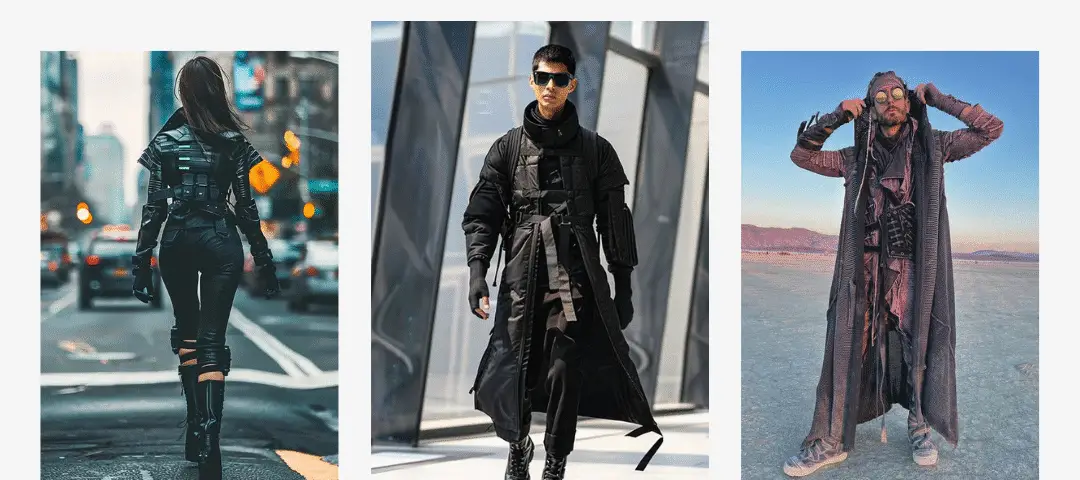
Dystopian layering ideas have surged in popularity, not just as a fashion trend but also as a powerful visual storytelling tool. Whether you’re preparing for a cosplay event, a themed photoshoot, or simply want to stand out with a bold personal style, dystopian layering offers a unique way to express individuality through clothing. This guide dives deep into the world of dystopian layering ideas, exploring everything from essential elements like texture and color to advanced styling techniques that can elevate your look.
The term “dystopian” refers to a bleak, often oppressive society where survival is key—think Mad Max , The Hunger Games , or The Walking Dead . In fashion, this translates into layered outfits that are both functional and visually striking. The beauty of dystopian layering lies in its versatility: it can be adapted for everyday wear or pushed to dramatic extremes for theatrical or artistic purposes.
In this article, we’ll explore how to create compelling dystopian layering ideas by focusing on core components such as fabric choices, color palettes, accessories, and thematic consistency. We’ll also provide practical tips for different settings, from urban exploration to costume design, ensuring you’re equipped to craft looks that are both stylish and meaningful.
Understanding the Core Elements of Dystopian Layering Ideas
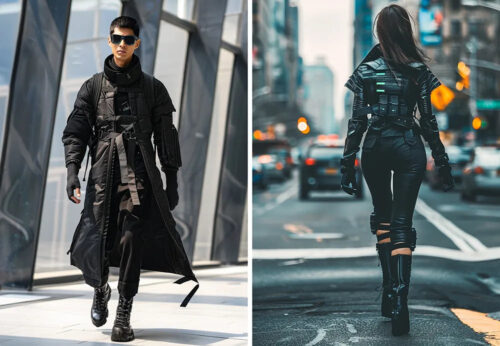
To truly master dystopian layering ideas, it’s essential to understand the foundational elements that define this aesthetic. At its heart, dystopian fashion is about contrast—between utility and style, decay and resilience, chaos and control. The layering process should reflect these tensions, creating an outfit that tells a story of survival, rebellion, or adaptation.
One of the most important aspects of dystopian layering is texture mixing. Combining rough, industrial fabrics like canvas and leather with softer materials like cotton or silk creates a visual and tactile contrast that mimics the harsh realities of a dystopian world. Think torn denim under a rugged trench coat, or a mesh shirt peeking through a frayed sweater. These combinations add depth and complexity to an outfit, making it more visually engaging.
Color plays a crucial role in dystopian layering ideas as well. While muted tones like gray, black, and olive dominate the palette, strategic pops of color—such as rust red, burnt orange, or metallic silver—can enhance the narrative. These accents suggest remnants of a once-vibrant society or signal moments of hope amidst desolation. Additionally, weathered effects like bleaching, staining, or distressing fabrics can further emphasize the worn, lived-in feel that defines dystopian aesthetics.
Accessories are another vital component. Goggles, gas masks, bandanas, and utility belts aren’t just props—they serve as symbols of survival and protection. Incorporating these items into your layering strategy adds authenticity and helps anchor your look within a specific narrative context. Even simple touches like mismatched buttons, oversized zippers, or patchwork detailing can contribute to the overall theme without overwhelming the outfit.
By understanding and integrating these core elements, you can begin to build cohesive dystopian layering ideas that resonate on both a visual and emotional level.
Building Your Dystopian Layering Wardrobe: Key Pieces and Materials
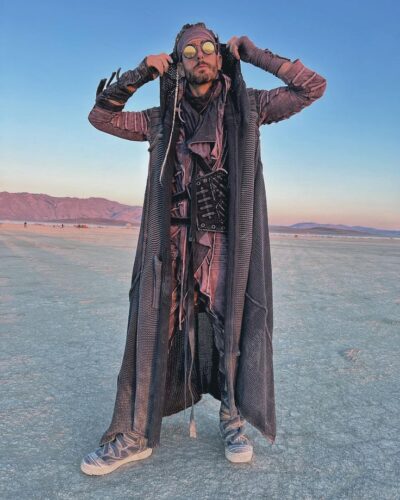
Once you’ve grasped the basic principles of dystopian layering ideas, the next step is assembling a wardrobe that supports this aesthetic. The goal is to collect versatile, high-impact pieces that can be mixed and matched to create dynamic, story-rich outfits.
Start with foundational layers like long-sleeve shirts, turtlenecks, and base jackets. These form the skeleton of your look and should be chosen for durability and adaptability. A distressed thermal top, for instance, works well under heavier outerwear, while a cropped hoodie adds structure and warmth without bulk.
Mid-layers are where creativity really shines. Cardigans, vests, and flannel shirts allow for experimentation with pattern, texture, and silhouette. Try layering a cropped vest over a long-sleeve dress or pairing a frayed flannel with ripped jeans and a harness. Each combination tells a different story and allows for personal expression.
Outerwear is arguably the most defining piece in dystopian layering ideas. Think oversized coats, military-style jackets, or asymmetrical parkas. These items not only provide protection and warmth but also serve as statement pieces that anchor the entire outfit. Weathered leathers, faux fur linings, and tactical gear details help reinforce the dystopian vibe.
Bottoms and footwear shouldn’t be overlooked either. Cargo pants, combat boots, and distressed denim are staples in this genre. Footwear should be practical yet stylized—chunky boots with buckles, lace-up sneakers, or even modified shoes with added straps or soles can make a strong impression.
Finally, don’t forget about layering from head to toe. Beanies, scarves, fingerless gloves, and layered necklaces all contribute to the final look. These smaller items may seem minor, but they often make the biggest impact when it comes to completing the dystopian narrative.
With the right wardrobe in place, you’ll be ready to experiment with more advanced layering techniques and thematic storytelling.
Advanced Dystopian Layering Techniques and Thematic Storytelling

Credit: Instagram – @arketa_la
Now that you have a solid foundation and wardrobe, it’s time to elevate your dystopian layering ideas with advanced styling techniques and deeper thematic storytelling. One effective method is layering for contrast and function . For example, combining a sleek bodysuit with a tattered duster and utility belt not only creates visual interest but also suggests a character who values both agility and protection. This kind of thoughtful layering enhances the narrative behind the look.
Another technique involves strategic exposure and concealment . Dystopian fashion often walks a fine line between revealing and hiding parts of the body to evoke vulnerability or strength. Consider wearing a sheer mesh top under a structured jacket, or leaving one shoulder exposed while keeping the rest of your torso covered. These subtle choices can communicate themes of defiance, resourcefulness, or isolation.
Thematic consistency is also crucial when developing dystopian layering ideas. If you’re aiming for a cyberpunk-inspired look, incorporate neon accents, synthetic fabrics, and tech-infused accessories like LED jewelry or augmented reality glasses. For a more rustic, post-apocalyptic aesthetic, focus on earthy tones, natural fibers, and handmade embellishments like leather patches or stitched repairs.
Layering isn’t limited to clothing alone—hairstyling and makeup play a significant role in completing the dystopian narrative. Messy buns, braids wrapped in cloth strips, or shaved sides with faded tops can enhance the edgy, survivalist vibe. Makeup should reflect the environment: smudged eyeliner, ash-toned highlighter, or cracked face paint can add drama and realism.
Don’t be afraid to mix eras and influences in your dystopian layering ideas. A Victorian-era corset paired with a futuristic visor and cargo shorts creates an intriguing juxtaposition that speaks to a world where old and new coexist chaotically. This kind of hybrid styling makes your look more memorable and thought-provoking.
Ultimately, the best dystopian layering ideas are those that tell a story—whether it’s one of resistance, adaptation, or transformation. By incorporating these advanced techniques, you’ll not only refine your aesthetic but also deepen the emotional resonance of your outfits.
Frequently Asked Questions (FAQs)
What defines dystopian layering ideas?
Dystopian layering ideas refer to fashion styles inspired by post-apocalyptic or oppressive societal settings. They combine functionality with visual storytelling, using layered clothing, weathered textures, and symbolic accessories to convey themes of survival, rebellion, and resilience.
How do I start building a dystopian layering wardrobe?
Begin with foundational pieces like long-sleeve tops, hoodies, and base jackets. Add mid-layers such as vests and flannels, then choose statement outerwear like oversized coats or military jackets. Accessorize with goggles, belts, and weathered fabrics to complete the look.
Can dystopian layering be worn in real life?
Yes! While some dystopian styles are exaggerated for costumes or photography, many elements—like textured layering, neutral tones, and utility-inspired accessories—can be subtly integrated into everyday fashion.
What colors work best for dystopian layering ideas?
Stick to muted tones like black, gray, olive green, and brown as a base. Add subtle pops of rust, burnt orange, or metallic shades to represent remnants of civilization or moments of hope.
How important are accessories in dystopian fashion?
Accessories are essential—they act as symbols of survival and identity. Items like gas masks, utility belts, and mismatched hardware help reinforce the dystopian narrative and give your outfit authenticity.
Conclusion: Embrace Your Inner Rebel with Dystopian Layering Ideas
Dystopian layering ideas offer a rich and expressive way to engage with fashion beyond trends. Whether you’re crafting a look for cosplay, a themed shoot, or personal style, the principles of dystopian fashion allow for endless creativity and storytelling. By mastering texture mixing, color selection, and accessory integration, you can create outfits that not only stand out visually but also resonate emotionally.
Remember, the key to successful dystopian layering lies in balance—between chaos and order, decay and innovation, protection and exposure. As you experiment with different combinations and narratives, let your imagination lead the way. With practice and confidence, your dystopian layering ideas will become a powerful extension of your identity and vision.
So go ahead—embrace the grit, the grime, and the grandeur of dystopian fashion. Let your layers speak volumes.