

10 Dark Academia Meets Dystopia Outfits
July 3, 2025
Top 10 Dystopian Looks for Men
July 5, 2025
In recent years, dystopian fashion has surged in popularity, blending futuristic aesthetics with utilitarian silhouettes and post-apocalyptic influences. This trend draws inspiration from speculative fiction, sci-fi films, and societal anxieties about the future, resulting in clothing that’s both edgy and expressive. However, as interest in ethical dystopian fashion grows, so does the need for conscious consumerism. Shopping ethically in this niche requires more than just style awareness—it demands a commitment to sustainability, transparency, and social responsibility.
Dystopian fashion often features oversized cuts, industrial materials like faux leather and recycled fabrics, and muted or metallic color palettes. While these designs evoke a sense of rebellion and resilience, they also raise concerns about fast fashion practices. Many dystopian-inspired garments are mass-produced using unethical labor and environmentally harmful materials. As a result, consumers must be vigilant in seeking out brands that align with ethical values without compromising on style.
The rise of ethical dystopian fashion reflects a broader movement toward sustainable apparel across all genres of clothing. From eco-conscious fabric sourcing to fair labor practices, ethical fashion is reshaping how we think about what we wear—even when our wardrobes take inspiration from fictional futures. In this article, we will explore practical steps you can take to shop responsibly for dystopian clothes, ensuring your fashion choices reflect not only personal taste but also global consciousness.
Understanding What Makes Dystopian Fashion Unique

Credit: Instagram– @static_independent
Dystopian fashion is rooted in speculative design and cultural commentary, often reflecting themes of oppression, resistance, and survival. It draws heavily from science fiction literature, film, and even political discourse, creating a visual language that speaks to both fear and empowerment. The aesthetic typically includes elements such as asymmetrical cuts, layered textures, distressed finishes, and high-functionality details like multiple pockets and harnesses.
What sets ethical dystopian fashion apart from mainstream trends is its ability to tell a story through clothing. Designers use materials and silhouettes to convey narratives about societal collapse, technological dominance, or environmental decay. These pieces are not just fashion statements—they’re symbolic expressions of contemporary issues.
However, because dystopian fashion often leans into darker, more aggressive visuals, it can sometimes mask unsustainable production methods. Fast fashion retailers capitalize on the trend by producing low-cost replicas made from synthetic fibers and exploitative labor practices. Therefore, understanding the origins and meanings behind dystopian fashion is essential before making a purchase. True ethical dystopian fashion should honor the thematic depth of the style while upholding responsible manufacturing standards.
Identifying Ethical Brands in the Dystopian Fashion Space
Credit: Instagram– @static_independent
Finding brands that offer ethical dystopian fashion requires research and intentionality. Start by looking for certifications like Fair Trade, GOTS (Global Organic Textile Standard), or B Corp status—these indicate a brand’s commitment to ethical labor practices and sustainable materials. Many independent designers and small labels are leading the charge in ethical dystopian fashion, offering avant-garde pieces crafted with care.
Some notable names include brands like Noir Kei Ninomiya , known for its dramatic silhouettes and emphasis on craftsmanship, and Marine Serre , which blends post-apocalyptic motifs with sustainable practices. Additionally, emerging labels like Veja and Patagonia have embraced dystopian-inspired designs while maintaining strong ethical frameworks.
When shopping online, read brand manifestos and look for transparency in supply chains. Ethical brands often share information about their factories, sourcing of raw materials, and labor conditions. Supporting local designers or purchasing secondhand dystopian-inspired pieces can further reduce your environmental footprint and promote circular fashion.
Ultimately, identifying ethical dystopian fashion brands means going beyond aesthetics and asking deeper questions about where and how your clothes are made.
Materials That Define Ethical Dystopian Fashion
The materials used in ethical dystopian fashion play a crucial role in defining both the look and the ethics of the clothing. Traditional dystopian fashion might incorporate synthetic leathers, rubberized fabrics, or metallic finishes to achieve a futuristic or industrial appearance. However, ethical alternatives now allow designers to maintain these bold aesthetics while minimizing harm to the environment.
Sustainable materials like organic cotton, hemp fabric, Tencel, and recycled polyester are increasingly being used to create dystopian-style garments. These materials reduce reliance on virgin resources and lower carbon footprints. For example, vegan leather made from pineapple husks (Piñatex) or apple peels offers a cruelty-free alternative to traditional leather without sacrificing the tough, utilitarian vibe of dystopian fashion.
Additionally, some brands are experimenting with innovative textiles like algae-based dyes and biodegradable synthetics to further enhance sustainability. When shopping for ethical dystopian fashion , pay attention to fabric composition and seek out garments made from renewable, non-toxic, and biodegradable sources.
By choosing clothing made with sustainable materials, you support a shift away from fast fashion’s harmful practices and contribute to a future where dystopian fashion doesn’t come at the cost of the planet.
How to Style Dystopian-Inspired Clothing Sustainably
Credit: Instagram– @teenvogue
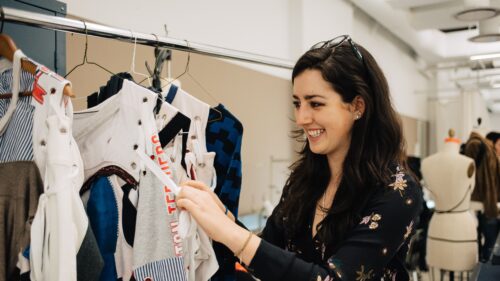
Styling ethical dystopian fashion involves balancing bold aesthetics with mindful consumption. Begin by investing in versatile, high-quality pieces that can be mixed and matched across seasons. Think structured jackets, modular accessories, and neutral-toned staples that echo the minimalist yet intense energy of dystopian themes.
Layering is key in dystopian styling—combine oversized tunics with cargo pants, or pair a utility vest over a sleek jumpsuit. Accessories like harness belts, chunky boots, and minimalist jewelry can elevate your look while staying true to the genre’s rugged charm.
To ensure your outfit remains sustainable, opt for thrifted or vintage dystopian-inspired items. Secondhand stores and online marketplaces often carry unique pieces that fit the aesthetic perfectly. Alternatively, rent dystopian-themed outfits for special occasions to reduce waste and avoid unnecessary purchases.
Remember, ethical dystopian fashion isn’t just about buying new—it’s about reimagining what already exists and giving discarded items new life. By curating a thoughtful wardrobe, you embrace both the spirit and substance of ethical fashion.
The Role of Transparency in Ethical Fashion
Transparency is a cornerstone of ethical dystopian fashion . Consumers today demand to know where their clothes come from, who made them, and under what conditions. Ethical brands prioritize openness by sharing detailed information about their supply chains, including factory locations, material sources, and labor policies.
This level of transparency allows shoppers to make informed decisions and hold brands accountable. Look for companies that publish sustainability reports or partner with third-party organizations to verify their claims. Brands that engage in greenwashing—marketing themselves as eco-friendly without substantial evidence—are increasingly being called out by conscious consumers.
Supporting transparent brands helps drive industry-wide change. When more people choose ethical dystopian fashion , the pressure increases on mainstream retailers to adopt similar practices. Ultimately, transparency builds trust between brands and consumers, fostering a fashion ecosystem rooted in integrity and responsibility.
Frequently Asked Questions About Ethical Dystopian Fashion
Q: What defines dystopian fashion?
A: Dystopian fashion is characterized by utilitarian silhouettes, dark color palettes, and materials that suggest resilience and survival. It often draws inspiration from science fiction and societal critiques.
Q: Why is ethical dystopian fashion important?
A: Because many dystopian-style garments are produced using unsustainable methods, ethical fashion ensures that these bold designs don’t come at the expense of the environment or workers’ rights.
Q: Can I find affordable ethical dystopian fashion?
A: Yes! Look for secondhand options, support indie designers, or invest in timeless pieces that won’t go out of style quickly.
Q: How do I verify if a brand is truly ethical?
A: Check for certifications like Fair Trade or B Corp, read brand disclosures, and follow watchdog organizations that monitor fashion industry practices.
Q: Is dystopian fashion sustainable?
A: Not always—but there are growing numbers of brands committed to making dystopian-inspired clothing sustainably.
Conclusion: Embracing Ethical Dystopian Fashion
Shopping for ethical dystopian fashion is more than a stylistic choice—it’s a statement of values. As the fashion world continues to evolve, dystopian aesthetics provide a powerful platform for exploring both creativity and conscience. By supporting ethical brands, prioritizing sustainable materials, and embracing transparency, you can enjoy the boldness of dystopian fashion without contributing to harmful industry practices.
Whether you’re drawn to the genre for its rebellious spirit or its futuristic flair, remember that every purchase matters. Ethical dystopian fashion invites us to imagine alternative futures—not just in storytelling, but in the way we produce and consume clothing. Make your mark by choosing fashion that looks forward while doing good today.