


Top 10 Techwear Looks Inspired by Anime
July 24, 2025
Top 10 Techwear Subscription Boxes
July 24, 2025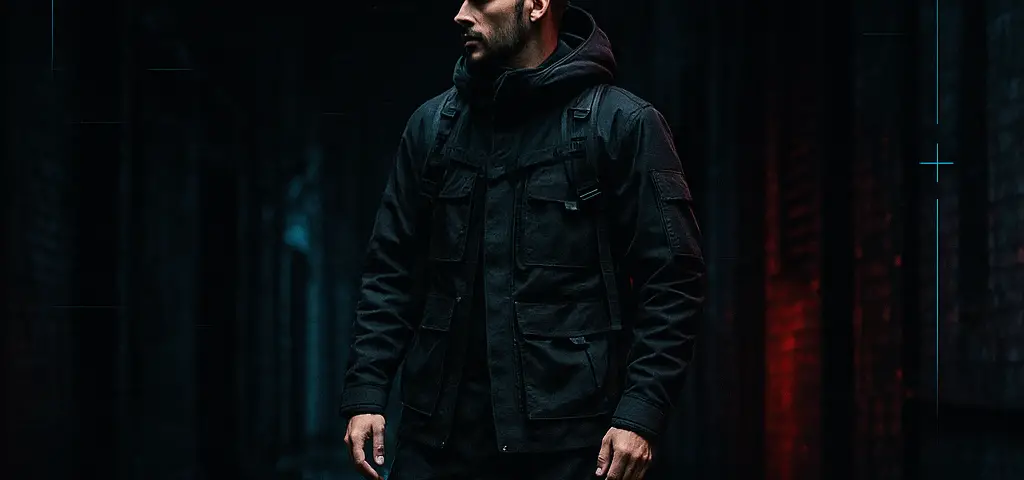
Techwear has revolutionized modern fashion by combining functionality with cutting-edge aesthetics. As this urban utility-inspired clothing movement continues to gain momentum, understanding how to achieve the perfect techwear fit guide becomes crucial for both newcomers and seasoned enthusiasts. The right techwear fit isn’t just about looking stylish—it’s about maximizing comfort, mobility, and the technical performance of your garments while maintaining that distinctive futuristic silhouette.
Whether you’re building your first techwear wardrobe or refining your existing collection, mastering the techwear fit guide principles will transform your appearance and enhance your daily functionality. This comprehensive techwear fit guide will walk you through essential strategies to ensure every piece works harmoniously with your body and lifestyle.
1. Understanding Your Body Measurements and Proportions
Before diving into any techwear fit guide , establishing accurate body measurements forms the foundation of your entire wardrobe strategy. Techwear’s emphasis on structured silhouettes and technical fabrics makes precise measurements even more critical than traditional clothing. Start by measuring your chest circumference at the fullest part, waist at its narrowest point, and hips at their widest circumference.
The techwear fit guide recommends taking these measurements while wearing minimal clothing to ensure accuracy. Additionally, measure your inseam, sleeve length, and shoulder width to capture your complete proportions. Techwear often features adjustable elements like drawstrings, elastic panels, and modular components, but starting with proper base measurements ensures these features work optimally.
Understanding your body shape—whether rectangular, triangular, inverted triangle, hourglass, or oval—helps determine which techwear pieces will flatter your frame best. For instance, those with broader shoulders might focus on balancing proportions with fitted bottoms, while individuals with narrower frames might embrace the oversized aesthetic that techwear popularized. This foundational knowledge becomes your techwear fit guide compass when selecting pieces that enhance rather than compromise your natural silhouette.
2. Mastering Layering Principles for Optimal Techwear Fit
Layering represents the cornerstone of effective techwear fit guide implementation, as it allows for temperature regulation, style versatility, and functional adaptability. The key to successful techwear layering lies in understanding the three-zone system: base layer, mid-layer, and outer shell. Each layer should fit progressively looser while maintaining clean lines and preventing bulkiness.
Your base layer should fit snugly against the skin without restricting movement, typically consisting of moisture-wicking materials like merino wool or synthetic blends. The techwear fit guide emphasizes that base layers should be virtually invisible under outer garments while providing comfort and temperature regulation. Mid-layers offer insulation and style flexibility, requiring a fit that accommodates the base layer while preparing for the outer shell.
The outer shell determines your overall silhouette and should follow the techwear fit guide principle of creating clean, architectural lines. This layer should accommodate all inner layers without appearing oversized or restrictive. Popular techwear outerwear often features adjustable hems, cuffs, and waistlines, allowing you to customize the fit based on your layering needs. Understanding these relationships ensures your techwear fit guide approach maximizes both form and function.
3. Selecting Appropriate Fabric Types and Textures
Fabric selection significantly impacts how techwear fits and performs, making it an essential component of any comprehensive techwear fit guide . Technical fabrics like nylon, polyester, and specialized blends offer unique properties that affect fit, durability, and comfort. These materials often feature water resistance, breathability, and stretch capabilities that influence how garments conform to your body.
The techwear fit guide recommends considering fabric weight when selecting pieces, as heavier materials create more structured silhouettes while lighter fabrics offer increased mobility and layering potential. Water-resistant coatings and membrane technologies can add stiffness to garments, affecting drape and movement. Understanding these characteristics helps you choose pieces that align with your intended use and aesthetic preferences.
Texture plays a crucial role in techwear’s visual appeal and tactile experience. Ripstop weaves, grid fleece, and technical mesh create distinct visual and functional properties that should complement your overall techwear fit guide strategy. Rougher textures often appear more rugged and utilitarian, while smoother fabrics create cleaner, more minimalist aesthetics. Consider how different textures interact with light and shadow to enhance your desired silhouette and maintain the cohesive look that defines successful techwear styling.
4. Prioritizing Functional Features and Utility Elements
Techwear’s defining characteristic lies in its integration of functional elements that enhance daily life while maintaining aesthetic appeal. When following any techwear fit guide , evaluating functional features becomes as important as assessing visual elements. Pockets, zippers, snaps, and other utility components should enhance rather than compromise the garment’s overall fit and silhouette.
The techwear fit guide emphasizes that functional elements should integrate seamlessly into the garment’s design without creating unsightly bulges or disrupting clean lines. Multi-compartment pocket systems should lie flat when empty and accommodate their intended contents without distorting the garment’s shape. Zipper placement affects both functionality and visual flow, with well-positioned zippers enhancing the garment’s architectural aesthetic.
Consider how utility elements align with your daily activities and lifestyle requirements. Techwear designed for urban commuting might prioritize concealed pockets and streamlined profiles, while outdoor-focused pieces might feature more prominent utility elements. The techwear fit guide recommends testing functional features during the selection process, ensuring zippers operate smoothly, pockets open easily, and adjustable elements function as intended. This attention to detail ensures your techwear investment delivers both style and practical value.
5. Achieving the Perfect Silhouette and Proportions
Creating the ideal techwear silhouette requires balancing proportions while maintaining the genre’s distinctive aesthetic. The techwear fit guide emphasizes establishing a cohesive visual flow from head to toe, with each piece contributing to the overall silhouette rather than competing for attention. Understanding proportion principles helps you avoid common pitfalls like oversized tops with equally bulky bottoms or overly fitted pieces that disrupt the genre’s characteristic structured look.
The techwear fit guide recommends considering vertical proportions by balancing fitted and loose elements throughout your outfit. If you choose an oversized jacket, balance it with more fitted bottoms or vice versa. Horizontal proportions involve width relationships between different body zones, ensuring your silhouette maintains visual harmony. This might mean pairing wider shoulder pieces with narrower waist elements or balancing voluminous pants with more streamlined tops.
Architectural lines define successful techwear styling, with clean geometric shapes creating the futuristic aesthetic that distinguishes the genre. The techwear fit guide suggests focusing on straight lines, angular cuts, and structured silhouettes while avoiding overly curved or traditionally tailored elements that might clash with techwear’s utilitarian aesthetic. Maintaining these principles ensures your outfit achieves the distinctive look that makes techwear so appealing while ensuring comfort and functionality.
6. Considering Lifestyle and Activity Requirements
Effective techwear fit guide implementation requires understanding how your daily activities influence clothing needs and performance expectations. Techwear designed for urban commuting differs significantly from pieces intended for outdoor adventures or casual social settings. Consider your primary environments, movement requirements, and functional needs when selecting pieces that align with your lifestyle.
The techwear fit guide emphasizes that active individuals should prioritize garments with enhanced mobility features like articulated seams, stretch panels, and ergonomic cuts. These elements ensure comfort during physical activities while maintaining the genre’s distinctive aesthetic. Office environments might require more refined techwear pieces with subtle utility elements and cleaner silhouettes that blend functionality with professional appropriateness.
Climate considerations significantly impact techwear selection and fit expectations. Layering systems work differently in various weather conditions, affecting how pieces should fit and function throughout different seasons. The techwear fit guide recommends building a versatile wardrobe that adapts to changing conditions while maintaining consistent aesthetic principles. This approach ensures your techwear investment serves multiple purposes and situations effectively.
7. Investing in Quality Adjustments and Alterations
Professional alterations can transform good techwear into perfect-fitting pieces that align with your techwear fit guide objectives. Many techwear garments feature adjustable elements like drawstrings, elastic panels, and modular components that can be customized for optimal fit. However, some pieces might require professional adjustments to achieve the perfect silhouette and functionality.
The techwear fit guide recommends working with tailors experienced in technical fabrics and modern construction methods, as traditional alteration techniques might not suit techwear’s specialized materials and construction. Features like waterproof membranes, technical coatings, and specialized zippers require specific expertise to modify without compromising functionality. Investing in quality alterations ensures your techwear pieces perform optimally while maintaining their distinctive aesthetic.
Consider alterations as part of your long-term techwear fit guide strategy, viewing them as investments that enhance both comfort and appearance. Simple adjustments like hemming pants to the perfect length, taking in loose jackets, or modifying sleeve lengths can dramatically improve how techwear fits and functions. The techwear fit guide emphasizes that properly fitted pieces not only look better but also perform better, maximizing the technical benefits that make techwear so appealing.
8. Understanding Brand Sizing and Variations
Navigating the complex landscape of techwear sizing requires careful attention to brand-specific measurements and fit philosophies, making this knowledge essential for any comprehensive techwear fit guide . Unlike traditional fashion brands that often follow standardized sizing charts, techwear manufacturers frequently develop their own unique sizing systems based on their design aesthetics and target demographics.
The techwear fit guide emphasizes researching each brand’s specific sizing philosophy before making purchases, as significant variations exist between manufacturers. Some brands favor oversized, architectural silhouettes that create dramatic visual impact, while others prioritize form-fitting designs that emphasize the body’s natural lines. European techwear brands often run smaller than their Asian or American counterparts, requiring careful attention to international sizing conversions.
Brand consistency can vary significantly within product lines, with seasonal collections sometimes featuring different fit approaches or updated sizing standards. The techwear fit guide recommends maintaining detailed records of successful purchases, noting specific sizes, fits, and any necessary alterations for future reference. Many techwear enthusiasts create personal sizing charts for their favorite brands, tracking measurements across different collections and styles to streamline future shopping experiences.
Customer reviews and fit-focused communities provide valuable insights into brand-specific sizing tendencies, helping you make more informed decisions when purchasing from unfamiliar manufacturers. The techwear fit guide suggests consulting multiple sources of sizing information, including official brand measurements, customer photographs, and community feedback, to develop a comprehensive understanding of how specific pieces will fit your body type and preferences.
9. Balancing Aesthetics with Practical Comfort
Achieving the perfect techwear fit guide requires striking a delicate balance between the genre’s distinctive aesthetic appeal and practical comfort requirements for daily wear. Techwear’s emphasis on structured silhouettes and technical fabrics can sometimes compromise comfort if not carefully considered during the selection process. Understanding how to maintain visual impact while ensuring all-day comfort becomes crucial for successful long-term techwear adoption.
The techwear fit guide emphasizes that comfort should never be sacrificed for aesthetic appeal, as uncomfortable garments will inevitably affect your posture, movement, and confidence throughout the day. Pay attention to areas where techwear commonly creates comfort challenges, such as restrictive necklines, tight sleeve openings, or constricting waistbands. Many techwear pieces feature adjustable elements specifically designed to address these comfort concerns while maintaining the desired aesthetic silhouette.
Fabric breathability and moisture management play crucial roles in determining long-term comfort levels, especially when layering multiple pieces or wearing techwear in varying climate conditions. The techwear fit guide recommends selecting pieces with appropriate ventilation features, moisture-wicking properties, and temperature regulation capabilities that support your intended usage patterns. Consider how different fabrics and construction methods affect air circulation and thermal comfort when building your techwear wardrobe.
Movement compatibility represents another critical aspect of comfortable techwear wear, as many pieces feature technical design elements that should enhance rather than restrict natural body mechanics. Test range of motion in potential purchases by simulating common activities like reaching, bending, and sitting to ensure garments accommodate your lifestyle requirements. The techwear fit guide suggests prioritizing pieces that maintain their aesthetic appeal while allowing unrestricted movement and daily functionality.
10. Maintaining and Adapting Your Techwear Fit Over Time
Long-term success with any techwear fit guide requires understanding how garments evolve through wear, washing, and environmental exposure, necessitating ongoing attention to fit maintenance and adaptation strategies. Techwear fabrics often respond differently to care routines compared to traditional clothing materials, with some technical coatings and treatments requiring specialized maintenance to preserve both appearance and functionality.
The techwear fit guide emphasizes following manufacturer care instructions meticulously, as improper washing or drying methods can significantly alter garment dimensions, fabric properties, and overall fit characteristics. Many techwear pieces benefit from specific washing temperatures, detergent types, and drying methods that preserve technical features while maintaining structural integrity. Invest in garment care knowledge specific to your techwear collection to maximize piece longevity and consistent fit performance.
Body changes over time require periodic reassessment of your techwear fit guide approach, as weight fluctuations, muscle development, or aging processes affect how garments fit and flatter your silhouette. Regular fit evaluations help identify pieces that no longer serve your aesthetic or functional needs, allowing for strategic wardrobe updates and replacements. The techwear fit guide recommends conducting seasonal fit assessments to ensure your collection continues meeting your evolving requirements.
Frequently Asked Questions
What makes techwear different from regular streetwear?
Techwear distinguishes itself through functional design elements, technical fabrics, and utility-focused features that prioritize performance alongside aesthetics. Unlike traditional streetwear, techwear emphasizes weather resistance, modularity, and ergonomic design that enhances daily functionality while maintaining urban style appeal.
How should techwear fit compared to traditional clothing?
Techwear typically follows a more structured, architectural approach to fit, often featuring clean lines and geometric silhouettes. The techwear fit guide emphasizes functional layering capabilities and utility integration, requiring more precise sizing considerations than traditional casual wear to balance form and function effectively.
Can I wear techwear in professional settings?
Many techwear pieces can work in professional environments, especially those featuring clean lines, neutral colors, and subtle utility elements. The techwear fit guide recommends selecting refined pieces with minimal overt branding and appropriate silhouettes that maintain professional standards while incorporating technical benefits.
How do I start building a techwear wardrobe?
Begin with versatile foundational pieces like technical t-shirts, utility pants, and a quality jacket that align with your techwear fit guide preferences. Focus on quality over quantity, selecting pieces that work well together and serve your lifestyle needs while building toward more specialized items as your collection develops.
What brands offer the best techwear fit?
Reputable techwear brands include Acronym, Stone Island Shadow Project, A-COLD-WALL*, and Maharishi, among others. The techwear fit guide recommends researching brand sizing charts carefully, as techwear often runs differently than traditional clothing, and considering starting with more accessible brands to understand your preferences before investing in premium pieces.
Conclusion
Mastering the techwear fit guide requires understanding the intricate balance between form, function, and personal style that defines this dynamic fashion movement. By following these ten essential principles—from accurate measurement taking to strategic layering and quality alterations—you’ll develop the expertise needed to create compelling techwear outfits that enhance both your appearance and daily functionality.
Remember that effective techwear styling evolves through experimentation and refinement. Use this comprehensive techwear fit guide as your foundation, but don’t hesitate to adapt these principles to your unique body type, lifestyle, and aesthetic preferences. The goal isn’t to conform rigidly to rules but to leverage techwear’s innovative approach to create outfits that serve you while expressing your individual style.
Invest time in understanding your measurements, fabric preferences, and functional needs, and you’ll discover that techwear offers unparalleled opportunities for self-expression through functional fashion. Whether you’re navigating urban environments, pursuing outdoor adventures, or simply appreciating cutting-edge design, the right techwear fit guide approach ensures you look confident while maximizing comfort and performance. With patience and attention to detail, you’ll develop a techwear wardrobe that truly fits your life and reflects your personal aesthetic vision.